
Can 3 Simple Steps for Calculating BMI Lead You to Better Health?
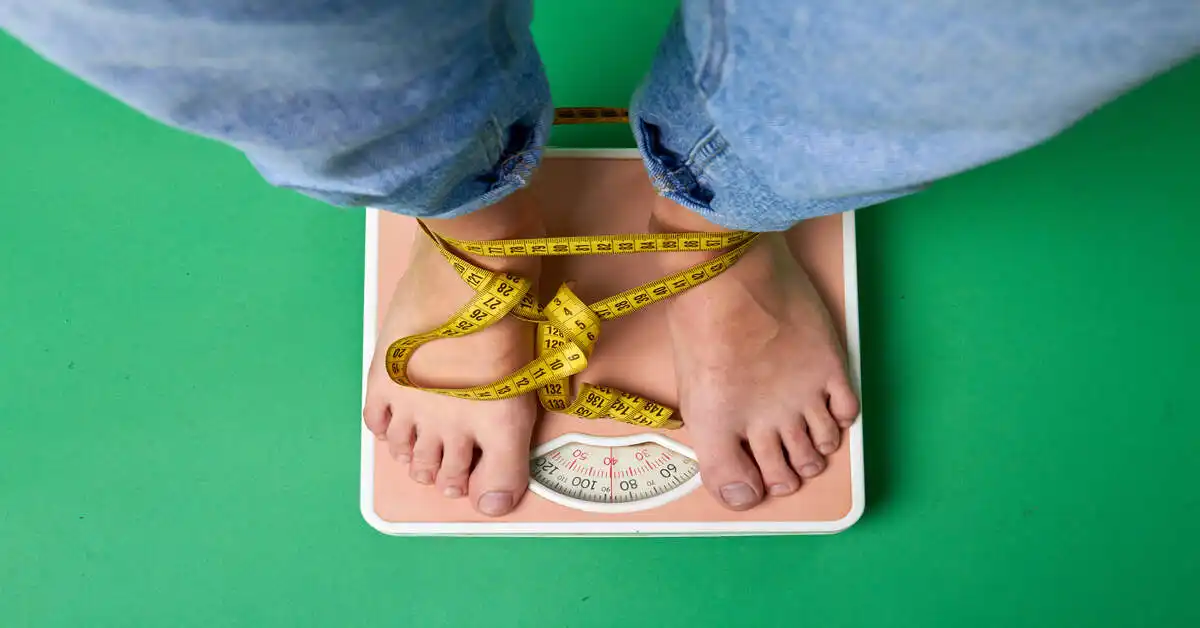
Nowadays, in the era of health-awareness, knowledge of your Body Mass Index (BMI) is of great importance in making a sound health choice. BMI is an easy to calculate indicator that gives you the level of understanding of how you weigh and how tall you are so as to know possible health risks as regards obesity, underweight, and other weight related disorders. This article will explain what BMI is, the way to calculate it, the meaning of BMI in the determination of health, and the usefulness of the BMI in improving your overall health.
What is BMI?
Body Mass Index is a numerical value derived from your weight and height. It’s calculated using the following formula:
BMI=weight (kg)height (m)2text{BMI} = frac{text{weight (kg)}}{text{height (m)}^2}BMI=height (m)2weight (kg)
This formula results in a number that falls into one of several categories:
Underweight: BMI less than 18.5
Normal weight: BMI 18.5 – 24.9
Overweight: BMI 25 – 29.9
Obesity: BMI 30 or greater
While BMI is a useful screening tool, it’s essential to remember that it doesn’t directly measure body fat or overall health.
Why is BMI Important for Health Decisions?
1. Identifying Health Risks
BMI can be used as an initial screening device to determine those who are at risk of different health conditions. With further increases in BMI, there are risks of chronic diseases including:
Type 2 Diabetes: There is a strong association between the high BMI and the development of insulin resistance.
Cardiovascular Disease: Heart disease and stroke are significant causes of obesity-related diseases.
Some Cancers: High BMI is associated with the increased rates of cancer, such as breast, colon, and endometrial cancer.
Professional Commentary: Centers of Disease Control and Prevention (CDC) also outline that BMI can assist in determining people who have a risk of developing health issues linked to their weight.”
2. Guiding Nutritional and Lifestyle Choices
Knowing your BMI may aid in determining the type of diet and lifestyle decisions to make. In the case of the underweight, it can be the sign that a more nutrient-dense diet is required to facilitate healthy weight gain. On the other hand, the overweight and obese group can also be helped by weight loss and better nutrition strategies.
Real-Life Incident: In a research conducted in Journal of the American Medical Association, participants who closely checked their BMI and made necessary changes in their diet became more successful in fulfilling their weight management objectives..
3. Motivation for Healthy Habits
The knowledge about your BMI can also encourage you to lead a healthier lifestyle. People can be more willing to perform the regular physical activity and healthier eating when they know which category they are in with their weight and which health risks can involve them.
Empowered Evidence: A survey carried out by the National Heart, Lung, and Blood Institute revealed that people who monitor their BMI will make healthier eating options and exercise more frequently.
How to Calculate Your BMI
Your BMI is easily determined. Here’s a step-by-step guide:
Check Your Weight: Find out Your weight in kilograms (kg).
Measuring Your Height: Measure your height in meters (m).
Calculate: Enter the weight and height details in the formula of BMI above.
Or feel like not doing the calculations, many web based calculators will quickly figure out your BMI given the values you feed them with.
Limitations of BMI
Although BMI is a useful method of measuring health risks related to weight, it should be remembered that it is not without shortcomings:
Limitations of BMI
BMI has no distinction between muscle mass and body fat. As an example, high muscle mass athletes can be of high BMI with no excess body fat:
1. Does Not Distinguish Between Fat and Muscle
BMI fails to consider the distribution of fat in the body. This is important in that the abdominal fat (visceral fat) is more dangerous to health than other body fats.
2. Does Not Consider Fat Distribution
BMI does not account for fat distribution in the body. This is significant because abdominal fat (visceral fat) poses a greater health risk than fat in other areas.
3. Cultural Considerations
The BMI might fail to take into account a difference between various ethnic and cultural groups. There are populations whose health risks may be at a lower BMI level.
Making Better Health Decisions Using BMI
1. Regular Monitoring
Intermittently check on your BMI to see the difference. This is applicable to enable you to detect trends and adjust your diet and lifestyle accordingly.
2. Consult Health Professionals
A registered dietitian or healthcare provider should visit you in case you are worried about your BMI or its effects on your health. They have an opportunity to give individual advice and help depending on your needs.
3. Focus on Overall Wellness
Although BMI is an effective instrument, it must be an element of a comprehensive health strategy. Focus on overall wellness by:
Consumption of a balanced diet that has a lot of fruits, vegetables, whole grains, and lean proteins.
Doing what you like in terms of exercising.
Dealing with anxiety via meditation/interest.
Conclusion
It is important to know your Body Mass Index so as to be able to make informed health choices. Although it is a handy screening tool, it needs to be taken into consideration with the other tests and personal health conditions. With consistent BMI check and a well-planned dietary intake, you can take self-initiative measures that will help you to have a healthy lifestyle.
FAQs
1. How often should I check my BMI?
It is also advisable to monitor your BMI after every few months particularly when you are making adjustments to your eating plan or physical activity.
2. Is BMI the only measure of health I should consider?
No, BMI is just one tool. Other aspects of health such as the fat percentage of the body, the waist circumference, and fitness levels should also be taken into consideration in order to bring about a holistic picture of health.
3. Can I improve my BMI?
Yes you can work to improve your BMI and your general health by having a balanced diet, exercising more and making healthier lifestyle choices.
No Comments