
Factors to Consider When Looking for High-Quality Catering Equipment for Your Business
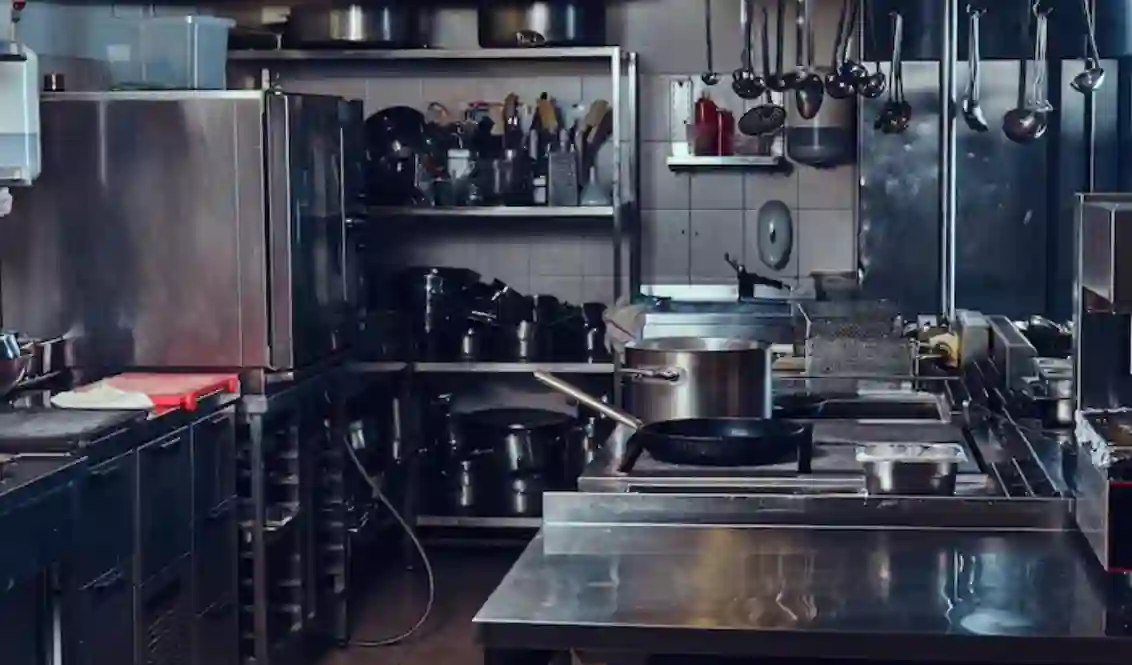
Launching or expanding a food service enterprise requires a significant investment in specialized hardware. The tools you choose will directly influence your kitchen’s efficiency, the quality of your output, and your long-term operational costs.
Navigating the vast market of industrial kitchen supplies can be overwhelming without a clear strategy. Here are the essential factors to evaluate when you are in the market for new catering equipment to ensure your business remains profitable and professional.
Assess Your Specific Menu and Volume Requirements
The primary driver for any purchase should be your specific culinary offerings. A bakery requires vastly different tools than a steakhouse or a high-volume banquet hall. Before investing, analyze your peak service hours and the complexity of your dishes.
Choosing the right catering equipment means finding a balance between the capacity needed to handle a rush and the physical space available in your facility. Oversized machines can lead to wasted energy, while undersized units will create bottlenecks in your production line.
Prioritize Energy Efficiency and Long-Term Operating Costs
While the initial purchase price is a major consideration, the ongoing utility expenses can have a greater impact on your bottom line. Look for units that carry high energy efficiency ratings, such as those with specialized certifications.
Modern catering equipment is often designed with advanced insulation and rapid-heating technology that reduces electricity or gas consumption.
Investing in efficient models not only lowers your monthly overhead but also contributes to a more sustainable and environmentally friendly business model.
Evaluate Material Quality and Ease of Cleaning
In a professional kitchen, hygiene is a non-negotiable standard. Most high-end food service tools are constructed from high-grade stainless steel because of its durability and resistance to corrosion.
When inspecting potential catering equipment, check for smooth surfaces and rounded edges that prevent the buildup of food particles and bacteria.
Machines that are easy to disassemble for deep cleaning will save your staff time and ensure that you consistently pass health inspections without any complications.
Consider the Availability of Local Maintenance and Parts
Even the highest quality machinery will eventually require servicing or replacement components. Before finalizing a purchase, research the manufacturer’s support network. It is vital to ensure that a qualified technician can reach your location quickly in the event of a breakdown.
If your catering equipment relies on rare or imported parts, a simple repair could turn into weeks of downtime. Opting for brands with a strong local presence ensures that your kitchen stays operational and your revenue stream remains uninterrupted.
Analyze Total Budget and Financing Options
Financial planning is the backbone of any successful commercial venture. Create a comprehensive budget that includes not only the cost of the machines but also installation fees, staff training, and initial maintenance kits.
Many suppliers offer leasing or financing arrangements that allow you to acquire top-tier catering equipment without a massive upfront capital expenditure.
Comparing these financial structures can help you manage your cash flow more effectively during the critical early stages of your business growth.
Inspect Safety Features and Regulatory Compliance
Every piece of machinery in a commercial kitchen must meet strict safety and fire regulation standards. Ensure that all electrical components are properly shielded and that gas-powered units have automatic shut-off valves.
Additionally, the equipment must comply with the specific health and safety codes required for your industry. Prioritizing safety features protects your employees from workplace injuries and shields your business from potential legal liabilities or insurance claims resulting from equipment failure.
No Comments