
How 6 Modern Food Trends Will Change the Way You Love Cooking?
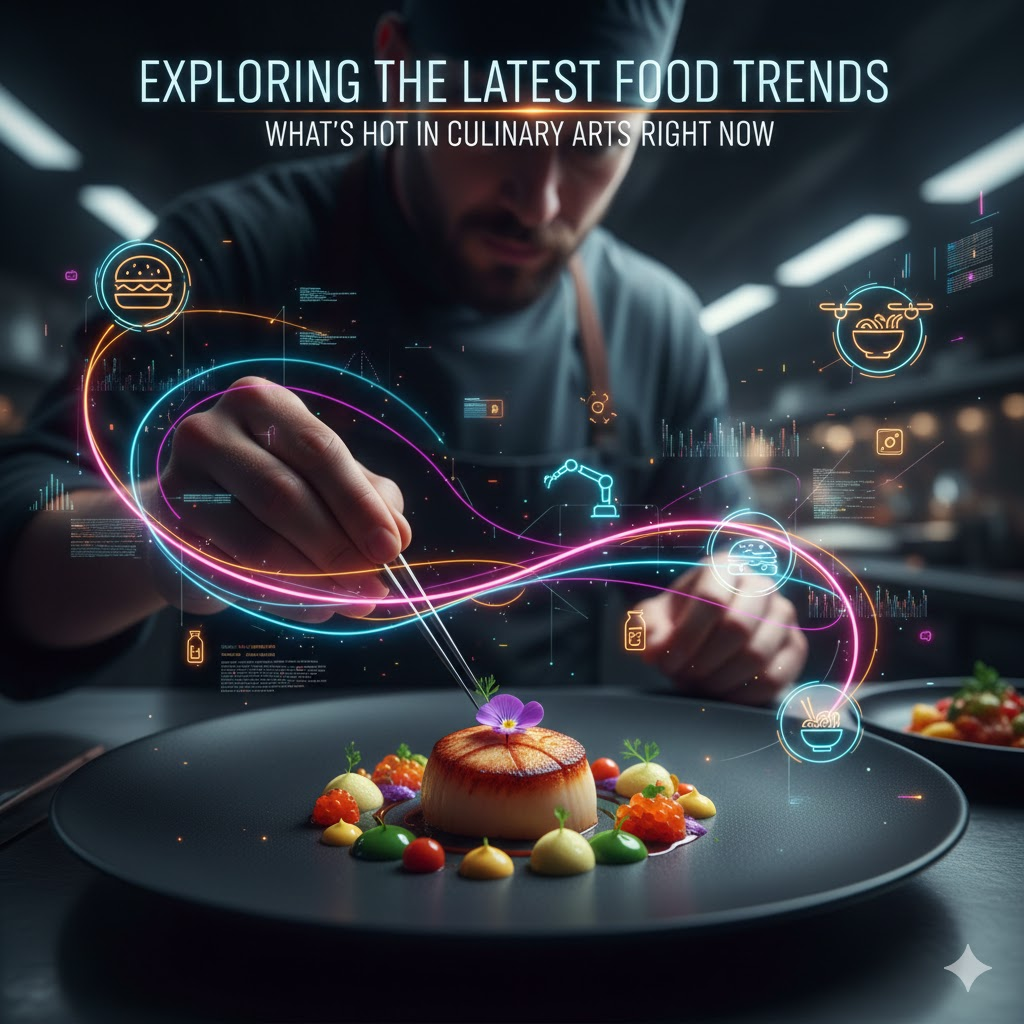
The culinary world is in constant movement and food trends are the first to take the lead in this movement. You can be a professional cook, a housewife or an amateur food lover, but keeping in touch with the new trends will help you to improve your meals and be creative in the kitchen. In this post, we are going to explore the most trendy food tendencies that influence the art of cooking nowadays, grounded in the professional commentaries and practical examples.
Understanding Food Trends
Food trends are not mere transient fads, but are indicators of shifting consumer preferences, health-consciousness, and food technological advances. In examining these trends, we will also concentrate on how such trends affect not only what we eat but also the way we cook and eat.
1. Plant-Based Dining
Plant-based diets have been one of the greatest trends in the past years. As people are becoming more conscious of their health, the environment, and the welfare of animals, a growing number of people are choosing vegetarian and vegan food. A report compiled by the Plant-Based Foods Association shows that the plant-based food market has increased by 27% within the last one year alone.
Real-Life Case: Large fast-food restaurants are accommodating this trend, and they are adding plant-based choices. An example is the case of Impossible Whopper at Burger King, which attracted both meat-eaters and vegans as it demonstrates that vegans can be tasty and can satisfy.
2. Global Flavors
Our world is becoming smaller, and cultures are mixing in new and exciting ways due to this. Restaurants and home cooks are trying out world cuisines, including spices and ingredients that were previously in the niche.
Professional Opinion: Chef Marcus Samuelsson speaks about cultural diversity in food and mentions that food is a universal language. We can achieve this by adopting international cuisine to make the restaurant more welcoming.
The mixing of world cuisines has been a trend that began to be felt in Thai chili recipes in Mexican food and Japanese umami in Italian, among others.
3. Sustainability and Eating Ethically
Sustainability has ceased to be a buzzword; it has become a principle to most chefs and consumers. Ethical sourcing, minimizing food waste and committing to local farmers has changed our food approach.
Evidence-based information: Nielsen conducted a study that revealed that 66 percent of consumers across the world are ready to pay a higher price to sustainable brands. This trend is pushing restaurants towards farm-to-table production and emphasizing on seasonal products, so that their meals are not only tasting good but also sustainable.
Real-Life Case: Blue Hill Restaurant by famous chef Dan Barber serves as a good example of such a trend. Barber produces dishes that are not only of exceptional quality, but also promotes the value of taking care of the local ecosystems due to their use of local and sustainable ingredients.
4. Health-Conscious Eating
As the interest in health and wellness is growing, consumers are becoming more and more interested in foods that can help them to stay well. Among the trends is the growth of functional foods- foods with health benefits outside the normal nutrition.
Expert Insight: According to nutritionist Rachael Hartley, people have never been more aware of what they are putting in their bodies. They desire food that supports their health objectives, be it the improvement of immunity, improved gut health, and weight management.
Healthy food is also making it to the menus in the gut-friendly fermented foods, antioxidant-laden superfoods.
5. Comfort Food Reinvented
As much as health trends are an important concern, the need to eat comfort food is equally high. But nowadays the comfort foods are being redefined with a healthier flavor.
Real-Life example: Restaurants are serving lighter forms of traditional comfort foods, including baked pasta based on whole grain and cauliflower, mac and cheese. Such a trend does not only fulfill the cravings but also agrees with the health-friendly decisions.
6. Food preparation Technology
The use of technology in the kitchen is also on the rise and technology appliances such as air fryers, sous-vide machines, and smart kitchen devices are transforming the cooking experience. The innovations render cooking more affordable and less complicated and less experienced cooks are able to test more challenging methodologies.
Professional Opinion: Technologist and chef David Chang says, Tech can democratize cooking. It gives everyone an opportunity to experience culinary arts without having to undergo long training.
Conclusion
With all the transformations of culinary art that surround us, we must always be knowledgeable of food trends that appeal to our values and lifestyles. This has been the case with plant-based dining and international cuisine, sustainability and comfort food rebranding, which does not only mirror the tastes of the consumers but also creates the future of food.
Adopting these trends, we are able to improve our dining experiences and make knowledgeable decisions, which do not contradict our health and ethical beliefs.
FAQs
1. What are the best food trends in 2025?
Plant-based, global, sustainable, health-conscious, and technology are the four food trends in 2025.
2. What can I do to use the food trends in cooking?
Begin with trying plant-based recipes, discovering the cuisine of the world, and working with local and seasonal products.
3. So what is the meaning of sustainability in food trends?
Sustainability is essential because it helps to encourage ethical sourcing, decreases food waste, and helps local farmers, which will make food systems more resilient.
No Comments