
Choosing the Perfect Bento Box Take Out Containers for Your Business
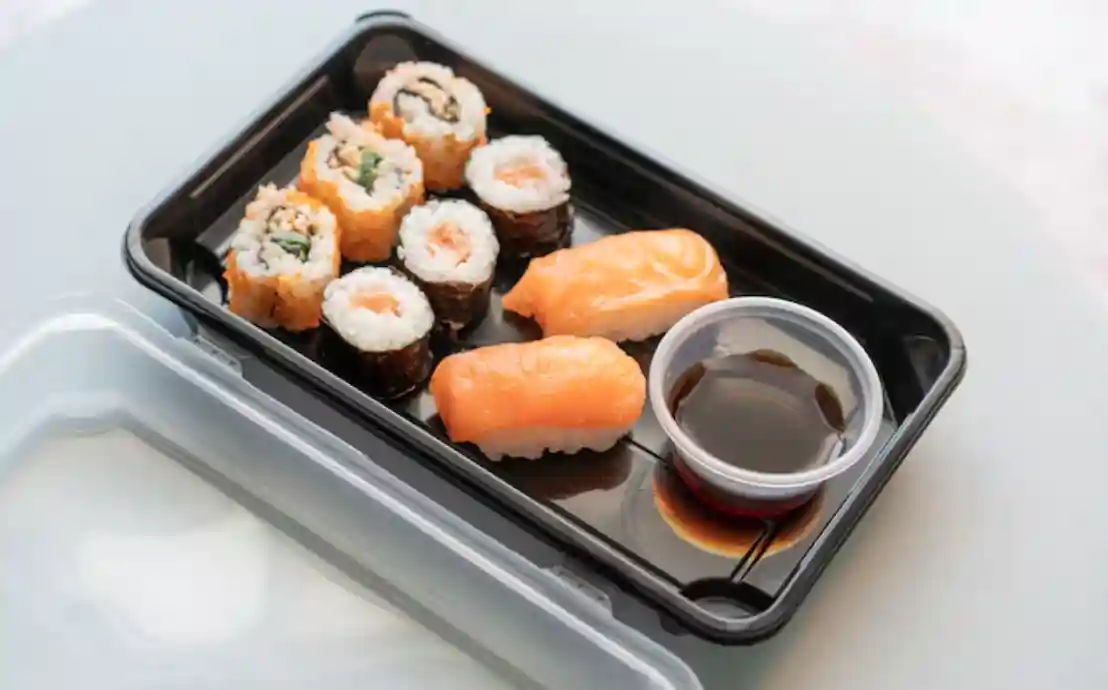
In the competitive world of food service, presentation and convenience are paramount. As more consumers prioritize portable, balanced meals, the demand for versatile packaging has grown significantly.
Selecting the right bento box take out containers is a strategic decision that impacts not only the presentation of your culinary creations but also your operational efficiency and environmental footprint.
Whether you are running a busy lunch café or a premium catering service, the packaging you choose serves as a silent ambassador for your brand.
By considering the following factors, you can ensure that your selection meets the diverse needs of your customers while maintaining the integrity of your food.
Material Quality and Food Safety
The foundation of any food packaging decision is safety and material integrity. You must ensure that your bento box take out containers are constructed from food-grade, non-toxic materials that do not leach chemicals into the food, regardless of temperature.
Whether you opt for eco-friendly sugarcane pulp, recyclable plastic, or compostable paperboard, the material must be robust enough to handle various food types without becoming soggy or weak.
Always verify that the materials meet local health and safety regulations, as this builds immediate trust with your clientele and demonstrates your commitment to their well-being.
Leak Resistance and Compartment Design
A primary advantage of a bento-style design is the ability to keep different food items separate. To maintain this benefit, the containers must feature high-quality, leak-resistant seals between compartments.
When your customers carry their meals, sauces should not migrate, and dressings should stay contained. Evaluate the structural integrity of the dividers within the bento box take out containers to ensure they are tall enough to prevent mixing during transport.
A well-designed compartment system preserves the texture and flavor profile of each component, ensuring that the meal remains as delicious as it was when first prepared.
Thermal Performance and Moisture Control
Packaging must be capable of maintaining the temperature and texture of the food during delivery. If you offer hot entrees, your chosen containers must be able to withstand heat without warping.
Furthermore, moisture control is vital; steam trapped inside a closed container can quickly turn crispy items into soggy messes.
Look for options that offer adequate ventilation without sacrificing thermal retention. Balancing these two requirements is essential for delivering a high-quality product, as the texture of the food is just as important as the flavor when it comes to customer satisfaction.
Stackability and Storage Efficiency
For restaurant owners, storage space is often at a premium. Your choice of packaging should reflect the spatial constraints of your kitchen and service areas.
The ideal bento box take out containers should be designed for easy, stable stacking to maximize storage space and prevent spills during movement. Efficient nesting or stacking capabilities also speed up the assembly process for your kitchen staff.
By selecting containers that are easy to store and assemble, you streamline your workflow, allowing your team to focus on food quality rather than struggling with awkward or bulky packaging materials.
Environmental Impact and Sustainability
Modern consumers are increasingly conscious of the environmental impact of their purchases. Providing sustainable packaging options is no longer just a trend; it is a core expectation for many diners.
Research the lifecycle of your containers—are they compostable, recyclable, or made from post-consumer recycled content? Aligning your brand with eco-friendly values can significantly enhance customer loyalty and differentiate your business in a crowded market.
When you prioritize sustainability, you communicate that your brand cares about the future, which is a powerful message that resonates deeply with today’s environmentally aware food enthusiasts.
No Comments