
Savoring the Flavors: Tips for a Memorable Experience with Chinese Cuisine
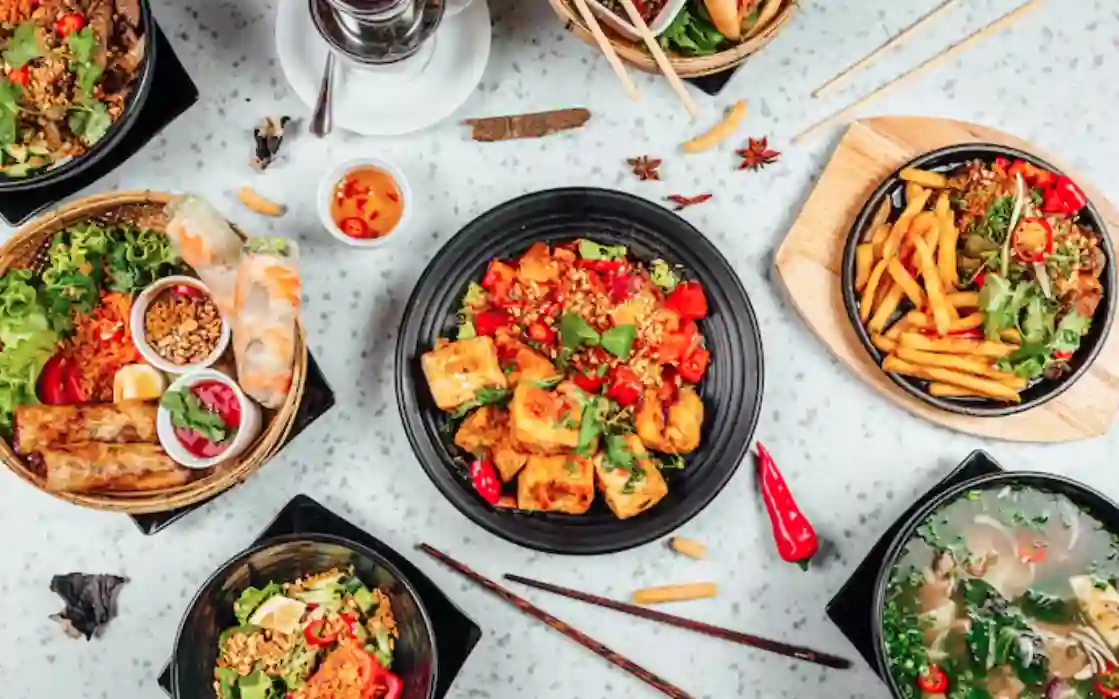
Exploring the diverse and intricate world of culinary traditions from across the globe is a rewarding endeavor, and few cuisines offer as much variety as those found in the vast regions of East Asia.
Approaching your meal with a sense of curiosity and openness is the first step toward a successful dining journey.
Whether you are visiting a local establishment or experimenting with recipes in your own kitchen, Chinese food provides a rich tapestry of textures and aromatics that reward the adventurous eater.
Embrace the Communal Spirit
One of the defining characteristics of traditional dining in this culture is the practice of sharing. Instead of ordering a single main course for yourself, the most authentic way to enjoy your meal is to order several different dishes to be placed in the center of the table.
This allows everyone in your party to sample a wide array of flavors, from savory braised meats to crisp vegetable stir-fries. Sharing not only broadens your palate but also fosters a communal atmosphere that makes the dining experience much more engaging and enjoyable.
Understand Regional Diversity
Many diners make the mistake of viewing this vast culinary landscape as a monolith, when in reality, it is incredibly diverse. Each region boasts its own unique flavor profile, ranging from the fiery spices of Sichuan to the delicate, fresh preparations found in Cantonese cooking.
By learning to identify these regional differences, you can better appreciate the craftsmanship behind your meal. Do not hesitate to ask restaurant staff for recommendations, as they can often guide you toward regional specialties that you might otherwise overlook.
Practice Mindful Dining
The best way to fully appreciate the subtle complexities of chinese food is to slow down and savor every bite. Rushing through your meal often means missing the interplay of aromatics like ginger, garlic, and scallions that form the base of many classic dishes.
Take the time to notice the texture of the ingredients and the balance of salty, sweet, sour, and umami notes. Eating slowly is not just about manners; it is a way to respect the effort that went into preparing a complex, balanced meal.
Master Basic Chopstick Etiquette
Using chopsticks is a fundamental part of the experience, and while you do not need to be an expert, knowing the basic rules can enhance your comfort. Avoid pointing with your utensils or standing them upright in your bowl, as these actions are often considered disrespectful.
If you are struggling, remember that practice is the only way to improve. Most importantly, focus on using your chopsticks to pick up small, manageable pieces, which allows you to pace your eating and keep the focus on social interaction.
Focus on Quality Over Quantity
There is a common misconception that this cuisine should always be inexpensive and served in massive portions. However, true quality is often found in establishments that prioritize fresh ingredients and skilled preparation over all-you-can-eat formats.
When you choose to support restaurants that value the integrity of their ingredients, you are far more likely to experience the true potential of Chinese food. Quality dining is an investment in your own enjoyment, offering a level of depth that mass-produced options simply cannot provide.
No Comments