
Can 4 Ergonomic Kitchen Layout Design Secrets End Your Back Pain?
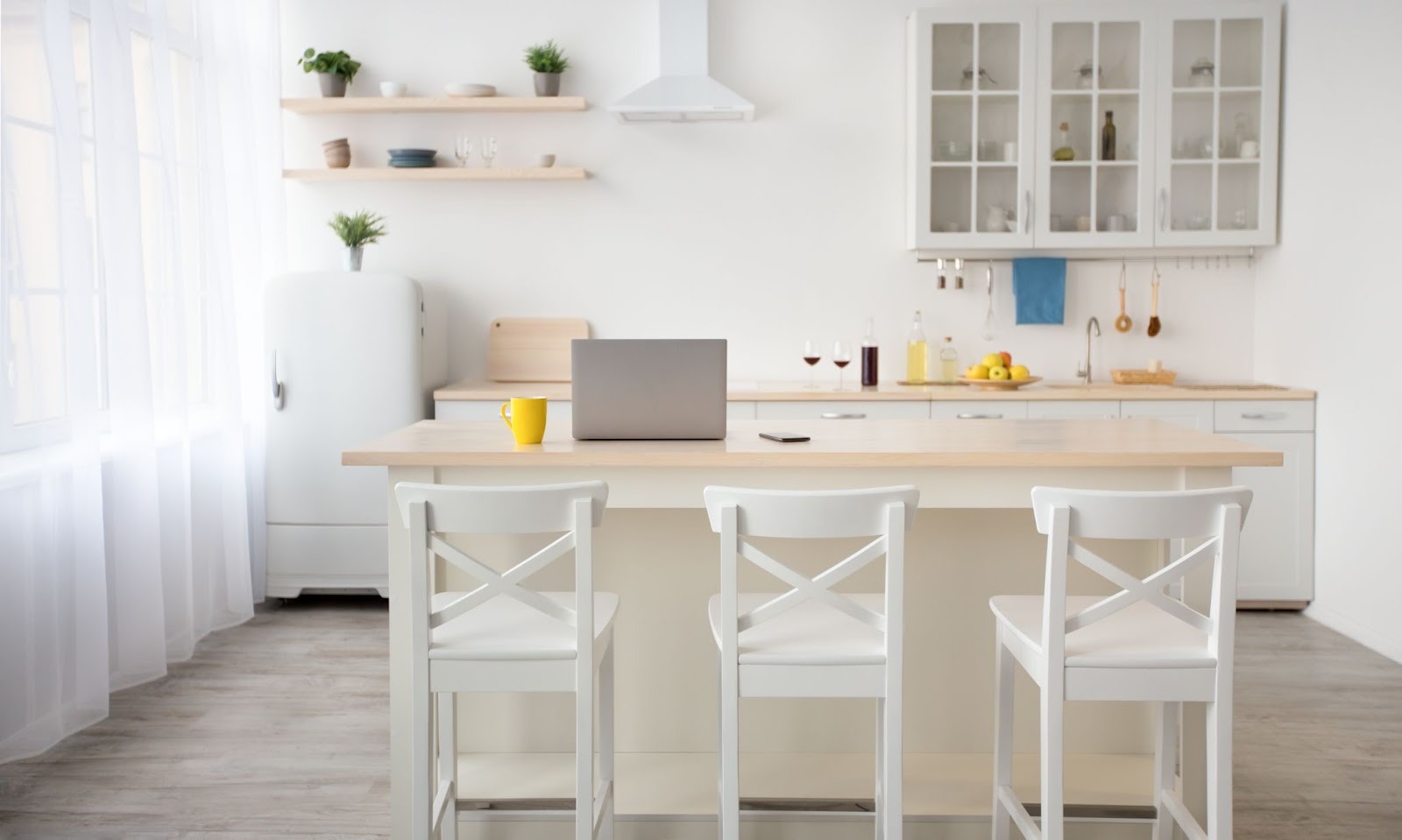
A kitchen can look stunning and still fail the people who use it every day. The true success of an ergonomic kitchen layout design is not measured by finishes or trends, but by how the space feels after hours of cooking, cleaning, and moving around. Comfort becomes the deciding factor because discomfort accumulates quietly. Slightly awkward reaches, repeated bending, or narrow walkways may seem minor at first, but over time they lead to fatigue, frustration, and even physical strain. An ergonomic approach focuses on designing a kitchen that works with the body instead of forcing the body to adapt to the space. When spacing, height, and flow are planned thoughtfully, cooking becomes smoother, safer, and more enjoyable, even during long or busy days.
The Hidden Cost of Poor Kitchen Workflow Planning
Many kitchens struggle not because of size, but because of inefficient workflow. Kitchen workflow planning affects how often you walk back and forth, how easily tasks transition, and how much physical effort is required to complete simple actions.
Micro-Inefficiencies That Add Up Over Time
Small inefficiencies often go unnoticed during design but become obvious in daily use. Extra steps between the sink and prep area, awkward cabinet placement, or appliances that interrupt movement create unnecessary effort. These micro-inefficiencies increase physical load and slow down tasks. Over months and years, they contribute to discomfort and reduced enjoyment of the space.
How Layout Stress Affects Cooking Enjoyment
When a kitchen feels stressful to use, people naturally avoid it. Poor spacing can cause collisions, spills, or rushed movements that take the joy out of cooking. Ergonomic kitchen layout design reduces this stress by allowing tasks to flow naturally, making the kitchen a place people want to spend time in rather than rush through.
Smart Spacing as the Foundation of Ergonomic Kitchen Layout Design
Smart spacing is the backbone of ergonomic design. It determines how freely you can move, turn, and work without strain. This includes clearances around counters, appliances, and walkways, as well as thoughtful transitions between zones. Instead of relying solely on fixed measurements, ergonomic kitchen layout design considers how people actually move and behave in the space. Adequate spacing allows smooth circulation, prevents bottlenecks, and supports safe movement even when the kitchen is busy. When spacing is done well, the kitchen feels intuitive, not restrictive.
Work Zones That Support Natural Movement
Modern kitchens function through zones rather than strict triangles. These zones reflect real cooking habits and multitasking behavior.
Prep, Cook, Clean Zones in Real Life
Prep zones benefit from uninterrupted counter space and nearby storage for tools and ingredients. Cook zones need clear access to heat sources and ventilation, while clean zones should allow easy movement between sink, dishwasher, and storage. Ergonomic kitchen layout design ensures these zones connect logically without overlapping in ways that cause congestion or repetitive movement.
Reducing Backtracking and Overlapping Paths
Backtracking happens when the layout forces repeated trips across the kitchen. Overlapping paths occur when multiple tasks collide in the same space. Kitchen workflow planning aims to minimize both by aligning zones in a sequence that matches how tasks naturally unfold. This reduces wasted effort and improves overall efficiency.
Counter Height, Depth, and Reach Zones That Reduce Physical Strain
Counters are where most kitchen work happens, yet they are often designed with little regard for the person using them. Ergonomic kitchen layout design takes into account height, depth, and reach to reduce strain on the back, shoulders, and wrists. Counter heights that are too low cause bending, while overly deep counters increase reaching. Properly planned reach zones ensure that frequently used areas remain comfortable during extended use. These adjustments may seem subtle, but they significantly improve comfort during daily tasks.
Storage Placement That Supports Ergonomic Home Design
Storage should support movement, not interrupt it. Ergonomic home design prioritizes accessibility over sheer capacity.
Frequently Used Items Within Comfortable Reach
Placing everyday items within easy reach reduces repetitive bending and stretching. Drawers, pull-outs, and well-positioned shelves allow smoother access and protect joints over time. This approach supports functional kitchen ideas that prioritize usability.
Vertical Storage Without Vertical Strain
Vertical storage can be useful, but only when designed carefully. Upper cabinets should not force constant overhead reaching. Ergonomic kitchen layout design balances vertical storage with solutions like pull-down mechanisms or deeper lower drawers to maintain comfort.
Appliance Positioning That Improves Flow and Safety
Appliances shape how people move in the kitchen. Poor placement can disrupt workflow and create safety risks. Refrigerators should open without blocking pathways. Dishwashers should allow loading and unloading without forcing awkward positions. Cooking appliances require adequate clearance to prevent heat-related hazards. Kitchen workflow planning ensures appliances support movement rather than interrupt it, making daily use smoother and safer.
Walkway Widths and Clearance Zones That Actually Work
Minimum guidelines often fail to reflect real-life movement. People pause, turn, carry items, and open doors simultaneously. Ergonomic kitchen layout design accounts for these behaviors by allowing extra clearance where it matters most. Adequate walkway widths reduce collisions and improve safety, especially in kitchens used by multiple people. Smart spacing here transforms cramped layouts into functional spaces.
Designing for Multiple Users Without Chaos
Many kitchens are shared spaces. Designing for multiple users requires more than adding space.
Parallel Work Zones for Simultaneous Tasks
Parallel zones allow different tasks to happen at the same time without interference. This is especially important in family kitchens or homes where cooking is a shared activity. Ergonomic kitchen layout design supports this by separating high-traffic areas from active work zones.
Preventing Traffic Through Active Work Areas
Traffic patterns should avoid passing through prep or cooking zones. Kitchen workflow planning redirects movement around, rather than through, workspaces, improving safety and comfort during busy periods.
Ergonomic Kitchen Layout Design for Small and Large Spaces
Ergonomics applies to all kitchen sizes. In small kitchens, efficient use of space and precise zoning are essential. In larger kitchens, preventing excessive walking becomes the priority. Functional kitchen ideas scale by focusing on proportional design rather than size alone. The goal is always the same: reduce unnecessary movement and physical strain.
Common Layout Mistakes That Undermine Ergonomics
Some design choices look appealing but fail in practice. Oversized islands that block movement, poorly placed appliances that disrupt flow, and decorative layouts that ignore daily habits all undermine ergonomic kitchen layout design. Recognizing these mistakes early prevents long-term discomfort and inefficiency.
Aligning Ergonomic Kitchen Layout Design With Lifestyle Needs
A kitchen should reflect how it is used, not how it looks in a showroom.
Cooking Frequency and Skill Level Considerations
Frequent cooks benefit from layouts that prioritize prep space and workflow efficiency. Occasional users may value simplicity and ease of access. Ergonomic home design adapts to these differences rather than applying a one-size-fits-all approach.
Future-Proofing for Aging and Long-Term Comfort
Ergonomic kitchen layout design supports longevity. Thoughtful spacing, accessible storage, and comfortable heights make the kitchen usable for years to come. Designing with the future in mind reduces the need for costly modifications later.
Turning Ergonomic Principles Into Functional Kitchen Ideas
Ergonomic principles become valuable only when applied. Translating them into functional kitchen ideas involves evaluating daily habits, identifying pain points, and adjusting layout elements accordingly. This process does not require a full renovation. Small changes in spacing, storage placement, or appliance positioning can dramatically improve comfort and workflow.
FAQs
What is ergonomic kitchen layout design?It is an approach that focuses on comfort, efficient movement, and reduced physical strain through smart spacing and thoughtful planning.
Does ergonomic design require a large kitchen?No. Ergonomic principles apply to kitchens of all sizes and often benefit small spaces the most.
How does kitchen workflow planning improve daily use?It reduces unnecessary movement, improves task flow, and minimizes physical effort during cooking and cleaning.
Are ergonomic kitchens more expensive to design?Not necessarily. Many ergonomic improvements involve better planning rather than higher-cost materials.
Can ergonomic home design adapt to changing needs over time?Yes. Future-focused layouts support long-term comfort and usability as needs evolve.
No Comments