
Which 7 Global Food Trends Will Spark Your Kitchen’s Soul Today?
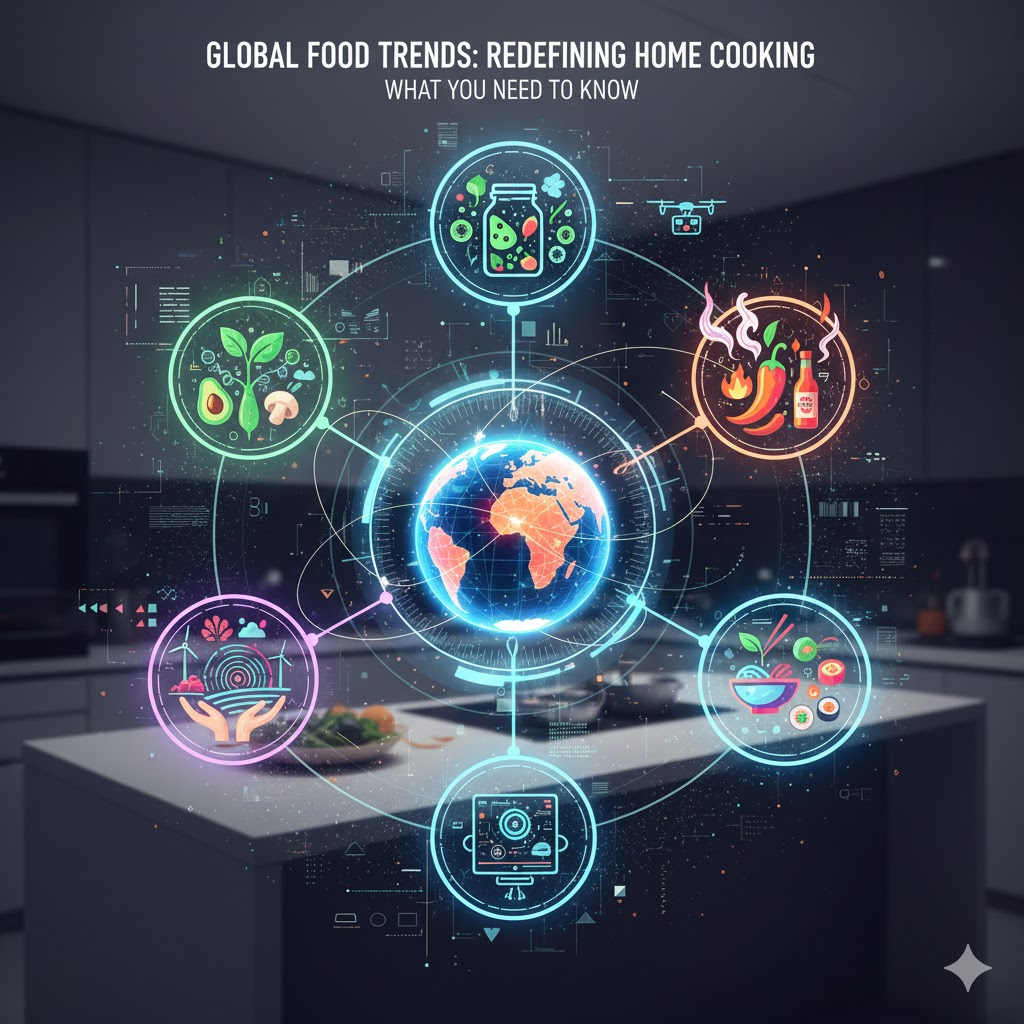
The food scene is ever changing due to cultural interactions, technological innovations, and changing tastes of consumers. Due to the adoption of new cooking traditions and eating patterns, a number of food trends all over the world are redefining the way we approach home cooking. The paper addresses the major trends that are affecting the kitchen today.
Plant-Based Eating
Another change in the past few years that is highly noticeable is the rise of plant-based diets. This tendency is propelled by the increased understanding of the health-related benefits of a plant-based diet, as well as increased environmental sustainability concerns.
Health Benefits: It has been proposed that diets high in fruits, vegetables, whole grains, and legumes may lower the risk of such chronic conditions as heart disease, diabetes, and some types of cancer. Plant-based eating is becoming popular with many individuals due to ethical motivations and better general health.
Culinary Variety:Home cooks are finding diversity in ingredients, lentils and chickpeas as well as a multitude of vegetables and grains. This diversity stimulates the creativity in food preparation because the cooks get to know how to make dishes that are healthy as well as tasty.
Besides, the plant-based movement does not concern only strict vegetarian or vegan diets. A large number of people are becoming flexitarians and they eat plant-based food but continue to consume meat at times. The trend has resulted in a boom of substitutes which are innovative. Several products such as plant-based burgers, dairy-free cheeses, and other alternative milks are pretty common nowadays, and home cooks now have an opportunity to experiment with meatless dishes.
Global Flavors and Fusion Cuisine
Globalization has also provided access to world cuisines whereby home cooks can learn how to prepare different global dishes. This tendency promotes the combination of Western cuisines and the development of fusion foods.
Ingredient Exploration: Ingredients with other cultural origins are infiltrating kitchens at home. Spice and condiments such as za’atar in Middle Eastern cuisines, gochujang in Korea, and miso in Japan are now turning into a common kitchen element in most households. These components provide richness and richness to ordinary food.
Innovative Mash-Ups: Fusion cuisine has become popular and the dishes that are being prepared resonate with the elements of various culinary traditions. They can be examples of Korean tacos, sushi burritos, and Thai-themed pizzas. This culinary innovation enables the chefs to experiment and develop distinct flavor combinations.
With the adventurousness of cooks, there is also an understanding of the cultural meaning of some dishes and hence the increased preference to world cuisines. It is not only about food but also about learning and appreciating different cultural ways.
Health-Conscious Cooking
As health and wellness continue gaining attention, the mindfulness and nutrition of food have become of high priority to many home cooks. This inclination underscores the essence of making well-informed food consumption that promotes general health.
Whole Foods: The trend is that of increased consumption of whole, minimally processed foods. Fresh fruits and vegetables, whole grains, and lean proteins are becoming more popular among the meals prepared by home cooks. It is also a change that is driven by the wish to remain healthy and to minimize the consumption of the additives and preservatives.
Superfoods: Superfoods are ingredients that are regarded as superfoods including quinoa, chia seeds, and kale. These foods have been hailed as being very nutritious and are commonly taken as a part of the day to day meals. A lot of recipes that include these foods are spread in social media, and they provoke more people to consume such food.
There is also a higher level of awareness of the dietary restrictions and preferences in health-conscious cooking. There is a growing trend of gluten-free and dairy-free and low-carb until the home cooks can serve the needs of a variety of people..
Sustainability and Zero Waste Cooking
With the increasing environmental concerns, home cooks are increasingly becoming green in their kitchen. This tendency is focused on food waste minimization and environmentally friendly decisions.
Local and in-season Ingredients: Preparation of food using local and seasonal produce that originates in local farmers markets can reduce the carbon footprint of transportation. Seasonal cooking enables them to have fresher and more tasty food and help the local agriculture.
Invention of New Uses of Scraps: Home cooks are discovering new uses of vegetable scraps, her bones, and other scraps. Such methods as vegetable stock made of scraps or composting become more widespread, giving cooks an opportunity to waste less and make best of what they have available to them.
Cooking sustainability is also applicable in packaging and purchasing choices. A lot of people are opting to shop in large quantities in order to cut down on plastic waste and they are starting to use organic and sustainable sourced ingredients whenever they can.
Meal Prep and Batch Cooking
The hectic lifestyle of contemporary life has contributed to an increase in the meal prep and batch cooking practices. This movement enables the house cooks to save time and have nutritious meals easily accessible all week.
Planning Ahead: Some individuals set aside certain days in order to cook and prepare meals. This can save time on hectic weekdays and also assist in avoiding the urge to go out and buy less healthy convenience foods.
Freezer-Friendly Recipes: Recipes that are prepared in bulk and frozen, e.g. soups, stews, casseroles, are particularly popular. Freezing meals can be used to have fast and easy alternatives in instances where one feels overwhelmed by cooking.
Preparing meals also makes people more conscious of the food they consume as they will not be tempted to waste ingredients when they have prepared meals.
Culinary Creativity and Personalization
The art of home cooking is turning out to be a stage to express oneself, as people explore different flavors and methods that appeal to their own preferences. This trend gives a cook an incentive to customise recipes and make dishes based on their likes.
Modifiable Recipes: Recipes are being more customizable, so that cooks may make alterations to ingredients according to their dietary requirements, or to the contents of their pantry. This flexibility allows the feeling of ownership of the cooking process and promotes creativity.
Cooking as Experience: Cooking is not only considered a necessity, but also a form of creativity or a means of connecting with family and friends. A lot of people are finding the pleasure of doing it during dinner so that making meals is a communal activity that brings people closer.
Consequently, the process of cooking becomes an enjoyable experience that is not only about food. It is a tool of uniting people and discussing culture and creativity..
Technology Integration in Cooking
In the kitchen, technology still remains a major factor which has made cooking more accessible and efficient. The online resources, as well as smart kitchen devices, are changing the way we approach preparing meals.
Smart Kitchen Devices: Ovens, slow cookers, sous-vide machines, and refrigerators are becoming popular. Their devices can be used to cook and control temperature through accurate cooking, which enables home cookers to acquire professional results.
Online Cooking Communities: Social media groups, cooking applications, and online cooking courses give home cookers a chance to exchange recipes, techniques, and experiences. These neighborhoods are very cooperative and rich in resources to individuals who desire to increase their culinary expertise.
Easy meal planning and grocery shopping are also possible with the help of technologies that enable to facilitate the process and minimize food waste.
Focus on Comfort Foods
Comfort foods have returned with a bang in uncertain times. Citizens are resorting to comfort food which reminds them of their childhood and makes them feel at home.
Home Cooked Classics: Mac and cheese, stews and baked goods are being whipped up with a new twist and using healthier or different flavors. The combination of nostalgia and innovation will provide a fulfilling dining experience.
Mindful Indulgence: It also involves the emphasis on comfort foods eaten in a mindful manner and enjoying every bite and creating an occasion around the meal times. The focus on food as a source of happiness and bonding is stressed in this approach.
Comfort foods are not only about opulence, but also do serve as emotional food in difficult moments, as they are a reminder of what we always ate as a family, or even of a family dinner.
Conclusion
With the food trends in the world becoming the common way of cooking and eating at home, exploring these opportunities would result in a better and more satisfying experience in the kitchen. To become better cooks and prepare tasty dishes that are sustainable, engaging in global cuisine exploration, experimentation, and sustainable practices are all the ways to show your values and define your lifestyle. It does not matter whether you are an experienced cook or still in your learning phases, these trends can provide you with thrilling chances to rethink the way you cook at home.
No Comments