
Will 9 One Pan Dinner Recipes Bring Back Your Joy for Cooking?
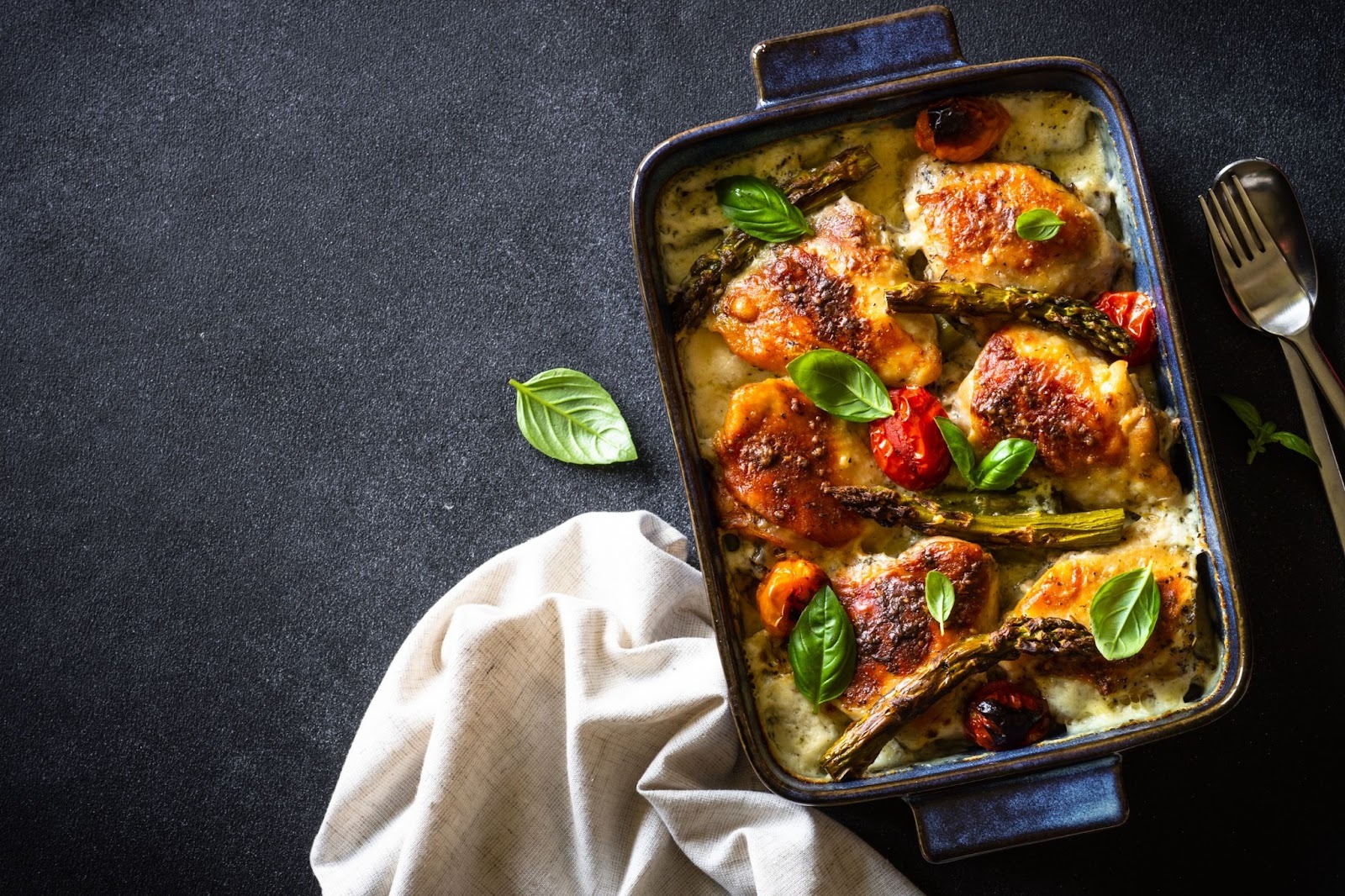
One pan dinner recipes are often marketed as shortcuts, but their real strength lies in control and efficiency. Cooking everything in a single pan forces intentional choices. Ingredients interact more directly, flavors concentrate instead of being diluted across multiple pots, and timing becomes deliberate rather than reactive. For people who cook regularly, this approach reduces decision fatigue and streamlines the entire process from prep to cleanup. Efficient home cooking is not about rushing. It is about eliminating unnecessary steps while still producing meals that feel complete, satisfying, and thoughtfully prepared.
How One Pan Cooking Changes the Way Flavor Develops
Flavor behaves differently when all components share the same cooking surface. Instead of isolated tastes, ingredients influence one another throughout the cooking process, creating depth that is difficult to replicate with multi-pan meals.
Layered Cooking Instead of Layered Dishes
In one pan dinner recipes, ingredients are added in stages rather than cooked separately. Aromatics build a base, proteins develop browning, and vegetables absorb seasoned fats and juices as they cook. This layered cooking creates complexity without adding dishes. Each step prepares the pan for the next, turning it into a flavor-building tool rather than just a container.
Concentrated Heat, Concentrated Taste
When heat is focused on a single surface, reactions happen more efficiently. Browning improves, moisture evaporates at the right pace, and seasonings bloom instead of getting lost. This concentration is what allows easy weeknight meals to taste like they required more effort than they actually did.
Choosing Ingredients That Actually Work Together in One Pan
Not every ingredient combination succeeds in a one pan format. The key is understanding how foods behave under heat rather than relying on traditional pairings.
Ingredients with similar cooking times and moisture levels perform best together. Dense vegetables work well with proteins that benefit from longer cooking, while delicate greens are better added at the end. Efficient home cooking depends on this alignment. When ingredients fight for space or time, the result is uneven texture and muted flavor, no matter how good the seasoning is.
The Pan Matters More Than the Recipe
Many one pan dinner failures come down to the pan itself rather than the recipe. The right pan supports browning, sauce development, and cleanup efficiency without requiring constant adjustment.
A pan that is too small causes overcrowding, which leads to steaming instead of searing. A pan that does not retain heat makes timing unpredictable. Oven-safe pans expand cooking options and reduce transfers. Choosing the right pan allows one pan dinner recipes to work as intended and makes minimal cleanup cooking realistic rather than aspirational.
Structuring One Pan Dinner Recipes for Busy Evenings
Weeknight cooking demands reliability. Meals need to work without constant monitoring or last-minute fixes.
Meals That Go From Pan to Plate Without Adjustments
The best one pan dinner recipes are designed to finish cleanly. Proteins rest naturally while vegetables finish cooking. Sauces reduce to the right consistency without separate steps. This structure eliminates the need for extra sides or adjustments and keeps cooking stress low even on demanding days.
One Pan Meals That Reheat Well the Next Day
Efficient home cooking extends beyond dinner itself. One pan meals that maintain texture and flavor after reheating save time and reduce waste. Choosing ingredients that hold moisture and sauces that stabilize well makes leftovers a benefit rather than a compromise.
Sheet Pan and Skillet Dinners Serve Different Purposes
Although both fall under the one pan category, sheet pans and skillets support different cooking goals.
Sheet Pan Dinners for Hands-Off Evenings
Sheet pan dinners excel when time and attention are limited. The oven provides consistent heat, allowing ingredients to roast evenly with minimal intervention. This approach works well for batch cooking and family-sized easy weeknight meals where consistency matters more than precision.
Skillet Dinners for Depth and Speed
Skillet-based one pan dinner recipes offer greater control. Stovetop cooking allows quick adjustments, sauce building, and deglazing. This method is ideal when flavor depth is the priority and cooking time needs to stay short.
Flavor Boosting Without Extra Bowls or Utensils
One pan cooking does not mean bland cooking. It requires restraint and timing rather than additional tools.
Spices can be bloomed directly in hot oil at the start. Marinades can be reduced into sauces within the same pan. Finishing elements like acids or fresh herbs added at the end brighten flavors without extra cleanup. These techniques elevate easy weeknight meals while preserving minimal cleanup cooking.
Where Most One Pan Dinner Recipes Go Wrong
Even experienced cooks struggle with one pan meals when fundamentals are overlooked. Overcrowding prevents proper browning. Incorrect heat sequencing leads to dry proteins or undercooked vegetables. Adding all ingredients at once removes the opportunity for flavor development. These mistakes are subtle but impactful. Avoiding them transforms one pan dinner recipes from average to consistently satisfying.
Making One Pan Dinner Recipes Flexible Without Doubling the Work
Flexibility is essential for sustainable cooking habits. One pan meals adapt easily when designed correctly.
Adjusting Protein Portions Without Changing the Process
Scaling meals for different appetites does not require new techniques. Protein quantities can be adjusted while maintaining the same cooking order and timing. This keeps efficient home cooking intact even when needs change.
Flavor Customization Without Extra Cleanup
Individual preferences can be accommodated through finishing touches rather than separate cooking. Simple additions at the end allow customization without creating extra dishes, keeping minimal cleanup cooking intact.
Turning One Pan Dinner Recipes Into a Weekly System
The real power of one pan cooking appears when it becomes a system rather than a collection of recipes. Planning a rotation of proteins, vegetables, and seasoning profiles reduces decision fatigue and speeds up prep. Once this framework is established, creating new one pan dinner recipes becomes intuitive. Easy weeknight meals stop feeling repetitive because variation comes from structure rather than constant experimentation.
Expert Advice on Making One Pan Cooking Sustainable
From a professional perspective, consistency matters more than novelty. Focus on mastering a few reliable one pan techniques before expanding. Keep ingredients visible and accessible. Clean the pan immediately after cooking to maintain the habit of minimal cleanup cooking. When one pan dinner recipes fit naturally into your routine, they support efficient home cooking without feeling restrictive or dull.
Closing Thoughts
One pan dinner recipes succeed because they respect time, energy, and flavor equally. They reduce cleanup without sacrificing quality. They support easy weeknight meals without lowering standards. When approached thoughtfully, one pan cooking becomes less about convenience and more about confidence. It turns everyday cooking into a repeatable, enjoyable process that fits real life.
No Comments