
Can 7 Alternative Protein Sources Make You Feel Truly Vibrant?
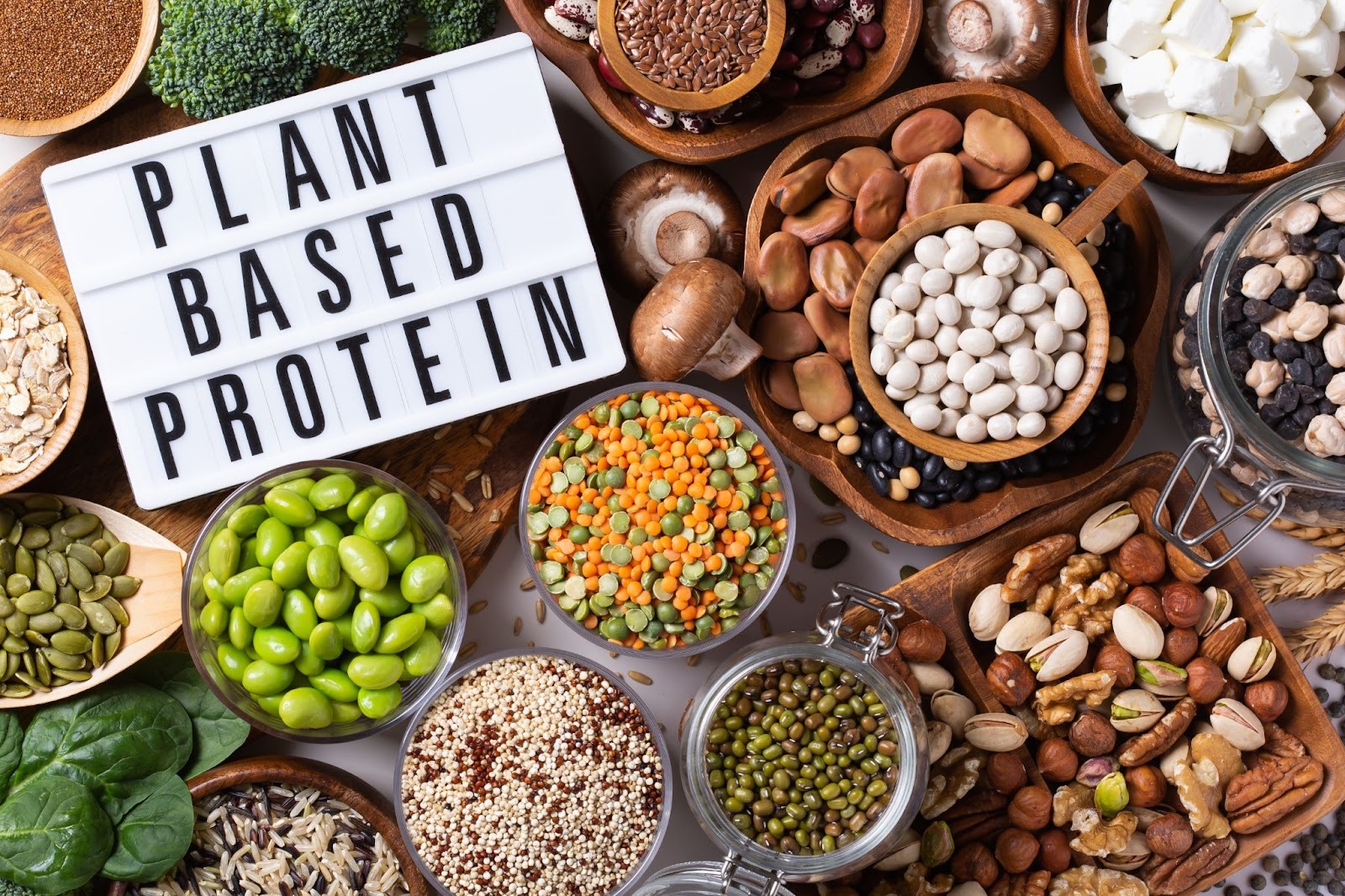
Plant-based protein is no longer treated as a dietary statement or a niche preference. It has quietly integrated itself into everyday meals across households, restaurants, and packaged foods. What started as a movement driven largely by ethics and environmental concerns has evolved into a broader shift influenced by taste innovation, health awareness, and flexibility in eating habits. Today, plant-based protein sits comfortably alongside animal protein rather than competing with it. People are not abandoning familiar foods. They are expanding their options. This shift is changing how meals are planned, how products are developed, and how consumers think about protein itself. Understanding these trends requires looking beyond basic nutrition and into how food culture, technology, and lifestyle intersect.
Plant-Based Protein Has Quietly Changed the Way People Eat
The most noticeable change in recent years is how casually plant-based protein has entered everyday eating. It no longer requires a label or explanation. People choose it because it fits their routine, not because it defines their identity. Office lunches, family dinners, and quick breakfasts now include alternative protein options without being framed as vegan meals. This normalization is significant because it signals trust. When consumers trust a food, they stop questioning its purpose and start focusing on how it fits into their lives. Plant-based
Protein Is No Longer a Single-Ingredient Decision
Protein is no longer viewed as a single block on the plate. Instead, it is part of a broader nutritional and functional decision. Consumers think about digestion, energy levels, satiety, and how protein interacts with other ingredients. This mindset has opened the door for alternative protein sources that offer different benefits depending on context. A lentil-based lunch may feel lighter and energizing, while a blended protein dinner may offer comfort and fullness.
Alternative Protein Sources Are Becoming More Sophisticated
The evolution of alternative protein sources is one of the strongest drivers behind this trend. Early plant-based options often struggled with texture, flavor, or consistency. Today, the landscape looks very different. Innovation has focused on improving the eating experience rather than just nutritional value.
Traditional Ingredients, Modern Expectations
Legumes, grains, and seeds have always been part of human diets, but their role is being redefined. Chickpeas, lentils, peas, and even ancient grains are now processed and prepared in ways that increase protein density and improve texture. These ingredients are no longer limited to soups or stews. They appear in burgers, spreads, baked goods, and ready-to-eat meals. This transformation allows traditional foods to meet modern expectations without losing their familiar appeal.
Fermentation and Processing as Quality Enhancers
Fermentation has become a key tool in improving plant-based protein quality. It enhances flavor, increases digestibility, and can improve nutrient absorption. Precision processing techniques also allow manufacturers to isolate specific proteins while maintaining a clean ingredient profile. These methods support vegan nutrition trends by addressing common concerns such as bloating, incomplete amino acid profiles, and off-putting textures. As processing becomes more refined, plant-based protein continues to close the gap with animal protein in terms of satisfaction.
Vegan Nutrition Trends Are Shaping Mainstream Meal Planning
Vegan nutrition trends no longer exist in isolation. They influence how meals are planned even in non-vegan households. Concepts such as protein variety, fiber intake, and plant diversity have become part of mainstream nutrition conversations. Meal planning apps, grocery store layouts, and restaurant menus reflect this influence by offering more plant-forward options without framing them as exclusive.
Taste and Texture Are Now Leading the Conversation
Health benefits alone are no longer enough to sustain interest in plant-based protein. Taste and texture now determine whether these products become staples or remain occasional experiments. Consumers expect alternative protein sources to perform well in cooking, hold their structure, and deliver satisfying mouthfeel. This expectation has pushed innovation toward culinary performance rather than nutritional claims.
Texture plays a crucial role in familiarity. When plant-based protein behaves similarly to traditional ingredients, it reduces resistance. Flavor development has also improved through better seasoning, fermentation, and cooking techniques. These advancements allow plant-based protein to stand on its own rather than relying on comparison to meat.
Where Plant-Based Protein Fits Into Daily Meals
One of the strongest indicators of long-term adoption is how easily a food fits into existing routines. Plant-based protein has found its place across all meals without requiring drastic changes.
Familiar Dishes, New Protein Choices
Alternative protein sources are increasingly used in familiar formats such as wraps, bowls, pastas, and stir-fries. This familiarity reduces the learning curve and encourages experimentation. When people can swap protein without changing the entire meal structure, adoption becomes effortless. This approach supports everyday cooking rather than special occasions.
Blended Plates as a Transitional Approach
Blended meals that combine plant and animal protein are gaining popularity. This approach offers flexibility and balance without forcing an all-or-nothing decision. It also aligns with future food innovation by encouraging gradual change. Blended plates allow consumers to explore plant-based protein while maintaining comfort and satisfaction.
How Restaurants and Food Brands Are Responding to the Shift
Restaurants and food brands have embraced plant-based protein as a strategic opportunity rather than a temporary trend. Menus now integrate alternative protein options seamlessly instead of isolating them. This approach reflects confidence in consumer demand and product quality.
Brands invest in storytelling that focuses on flavor, sourcing, and culinary experience. This shift moves away from moral messaging and toward enjoyment and practicality. As competition grows, quality becomes the differentiator rather than novelty.
Cultural Context Is Shaping How Plant-Based Protein Is Adopted
Plant-based protein adapts differently across cultures. In many cuisines, plant protein has always played a central role. The current trend often involves modernizing traditional dishes rather than introducing entirely new foods. This cultural continuity makes adoption feel natural rather than disruptive.
Global flavors and cooking methods also influence product development. Alternative protein sources are designed to work with diverse spice profiles and preparation techniques. This flexibility supports broader acceptance and long-term relevance.
What Emerging Protein Ingredients Signal About the Next Phase
The next phase of plant-based protein trends focuses on diversity and refinement rather than expansion alone. New ingredients are gaining attention for their functional and nutritional properties.
Ingredients Moving From Experimental to Everyday
Proteins derived from fungi, algae, and novel fermentation processes are becoming more common. These ingredients offer unique textures and nutrient profiles. As they move from specialty products to everyday foods, they expand the definition of protein itself.
What This Means for Home Cooking and Shopping Habits
As ingredient variety increases, home cooks will have more choices and responsibility. Learning how different proteins behave during cooking becomes part of food literacy. Shopping habits may shift toward selecting proteins based on meal type rather than brand loyalty.
FAQs
Is plant-based protein suitable for everyday meals?Yes, plant-based protein fits easily into daily meals when chosen and prepared thoughtfully. Variety ensures nutritional balance and satisfaction.
Do alternative protein sources provide complete nutrition?Many do, especially when combined. Pairing different plant proteins supports amino acid balance and micronutrient intake.
Are vegan nutrition trends only relevant for vegans?No, these trends influence broader eating habits by promoting diversity, balance, and mindful nutrition.
Will plant-based protein replace animal protein completely?Replacement is not the goal for most consumers. Coexistence and flexibility define current and future trends.
How can beginners start using plant-based protein?Begin with familiar dishes and simple swaps. Gradual integration builds comfort and enjoyment over time.
No Comments