
Can 5 Small Kitchen Storage Hacks Give You the Peace You Crave?
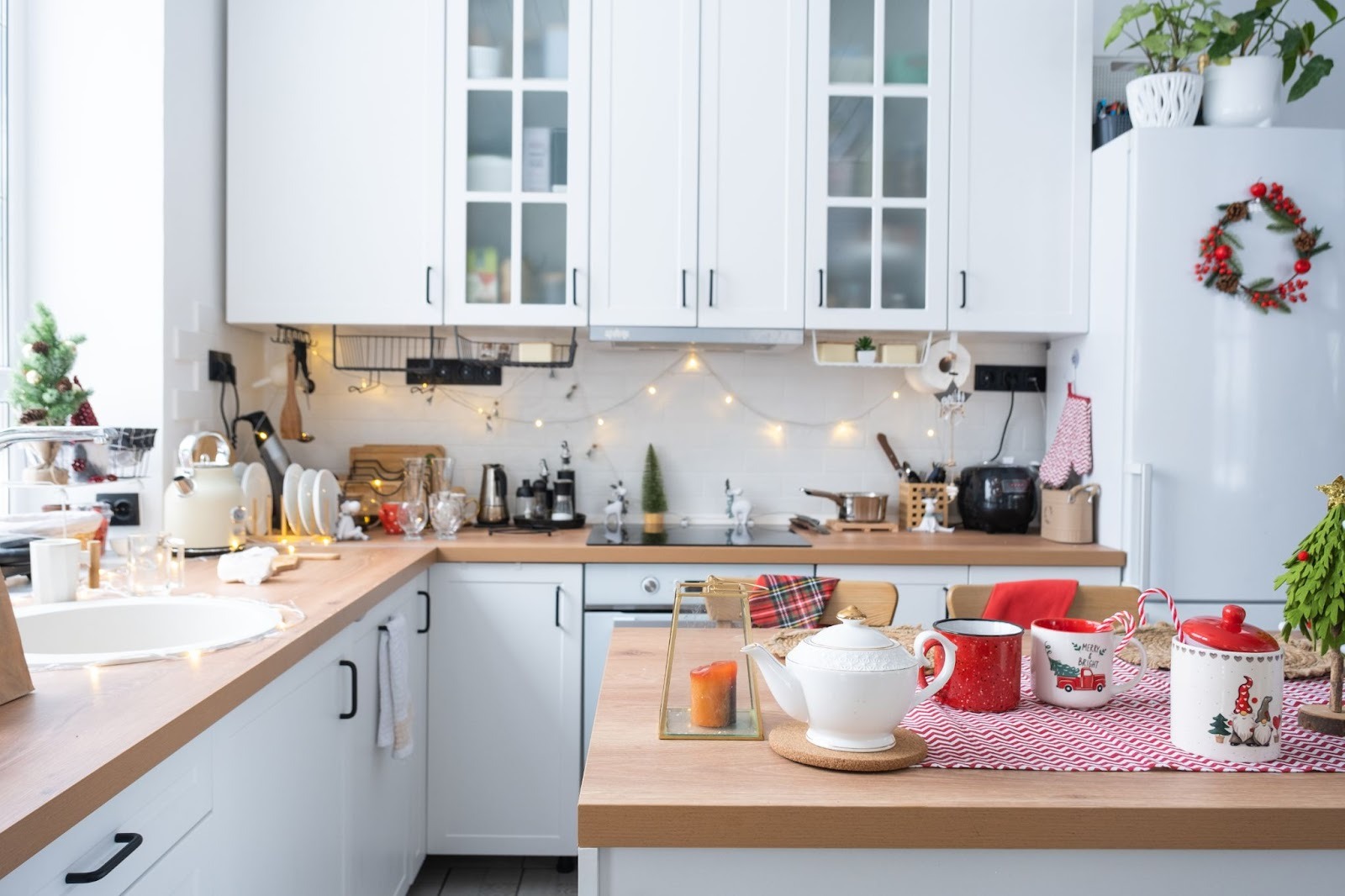
Designing storage for a small kitchen is rarely about adding more cabinets. It is about adding the right kind of storage in the right places. When storage is poorly planned, even a generously sized kitchen can feel chaotic. In a small kitchen, the impact is immediate. Clutter builds faster, surfaces disappear, and workflow suffers. Smart small kitchen storage is not a decorative afterthought. It is a design strategy that balances function, movement, and visual calm. When done well, it makes the kitchen feel open, efficient, and intentionally styled rather than cramped or overbuilt.
Why Storage Design Matters More Than Square Footage
Most small kitchens do not fail because of limited square footage. They fail because storage does not support how the kitchen is actually used. Cabinets may exist, but they are often poorly placed, too deep, or difficult to access. This forces items onto counters, which instantly shrinks usable space. Good small kitchen storage focuses on accessibility, not just capacity. Every cabinet, drawer, or shelf should reduce friction in daily cooking, cleaning, and movement.
Another overlooked factor is visual weight. Heavy cabinetry, inconsistent finishes, or oversized hardware can make a compact space feel boxed in. Thoughtful storage design considers how the eye moves through the kitchen. Clean lines, balanced proportions, and intentional spacing create the illusion of openness even when storage capacity increases. This is why modern storage design often feels lighter while actually storing more.
Thinking Vertically Without Making the Kitchen Feel Smaller
Vertical storage is one of the most powerful tools in compact kitchen solutions, but it must be handled carefully. When vertical space is overused or poorly designed, it can overwhelm the room. The goal is to guide the eye upward while maintaining balance and breathing room.
Using Full-Height Storage Without Visual Overload
Full-height cabinets are often dismissed as bulky, but when proportioned correctly, they can simplify the kitchen rather than crowd it. Tall cabinets reduce visual clutter by eliminating broken lines created by stacked wall cabinets and open gaps. Using consistent finishes and minimal hardware allows these cabinets to blend into the architecture rather than dominate it. For maximum effect, full-height storage should be reserved for items used less frequently, keeping everyday tools within easy reach.
Mixing Open and Closed Storage for Depth
A mix of open and closed storage adds dimension to small kitchens. Closed cabinets hide visual clutter, while open shelves provide rhythm and accessibility. The key is restraint. Open storage should highlight a few well-chosen items rather than become a dumping ground. When used selectively, open shelves prevent the kitchen from feeling too dense and support modern storage design by adding visual pauses.
Space Saving Cabinets That Work Harder, Not Louder
Space-saving cabinets are not defined by size alone. Their value lies in how efficiently they use internal space. Deep cabinets without internal organization waste more room than shallow cabinets with smart inserts. Modern cabinetry prioritizes usability, incorporating pull-out systems, adjustable shelving, and integrated dividers to maximize space efficiency.
In small kitchens, cabinets should support movement rather than interrupt it. Soft-close doors, handle-less designs, and smooth-glide systems reduce physical strain and improve flow. These details may seem minor, but over time, they significantly impact comfort and efficiency. Well-designed space-saving cabinets reduce the need for excess storage by making existing storage more effective.
Compact Kitchen Solutions That Improve Daily Workflow
Storage should follow the rhythm of cooking. When items are stored without considering frequency of use, even the best-designed kitchen becomes frustrating. Compact kitchen solutions work best when storage zones align with daily habits.
Storage Placement Based on Frequency of Use
Frequently used items should live between waist and shoulder height. Storing everyday tools too high or too low creates unnecessary movement and fatigue. Less-used items can be placed in higher cabinets or deeper storage zones. This approach minimizes bending, stretching, and repeated steps, which is especially important in small kitchens where space is limited.
Reducing Counter Clutter Through Smart Storage Zones
Counters feel crowded not because of size, but because storage fails to absorb daily essentials. Creating specific zones for cooking, prep, cleaning, and storage allows each area to function independently. Compact kitchen solutions such as vertical dividers, pull-out spice racks, and drawer organizers keep essentials off counters while remaining easy to access.
Drawer-Based Storage as a Small Kitchen Game Changer
Drawers are one of the most effective small kitchen storage upgrades. Unlike traditional cabinets, drawers bring contents forward, eliminating the need to reach or rummage. Deep drawers can store cookware, appliances, and pantry items while remaining fully visible.
Modern drawer systems allow for layered organization using inserts and adjustable compartments. This transforms drawers into highly efficient storage zones rather than simple containers. In small kitchens, replacing lower cabinets with drawers often increases usable storage while improving accessibility and workflow.
Hidden Storage Opportunities Most Kitchens Miss
Some of the most valuable storage space in small kitchens is often overlooked. Transitional areas and structural elements offer opportunities for discreet storage that does not affect the overall layout.
Toe-kick drawers beneath base cabinets provide space for flat or rarely used items. Inside cabinet doors can hold cleaning supplies or small tools. Even narrow gaps between appliances can be transformed into vertical pull-outs. These hidden solutions support modern storage design by adding capacity without adding visual noise.
Making Corners and Narrow Gaps Actually Useful
Corners are notorious for wasted space, especially in small kitchens. Poorly designed corner cabinets often become black holes where items disappear.
Corner Storage That Prioritizes Accessibility
Modern corner solutions, such as rotating trays or pull-out systems, bring items into full view. These systems prioritize access rather than sheer volume, making them ideal for small kitchen storage where every inch matters.
Slim Cabinets and Vertical Pull-Outs
Narrow vertical cabinets are excellent for storing trays, spices, or pantry items. These slim solutions fit into spaces that would otherwise remain unused. They maintain clean lines while significantly increasing storage efficiency.
Aligning Small Kitchen Storage With Lifestyle and Cooking Habits
No two kitchens should store items in the same way. Storage should reflect how often you cook, what you cook, and who uses the kitchen.
Storage Needs for Frequent vs Occasional Cooks
Frequent cooks benefit from highly accessible storage with minimal reach and movement. Occasional cooks may prioritize hidden storage and clean surfaces. Understanding these differences helps tailor small kitchen storage to real needs rather than generic solutions.
Adapting Storage for Households With Limited Space
Shared kitchens require flexible storage systems. Adjustable shelving, labeled zones, and modular inserts allow multiple users to coexist without clutter. These solutions support long-term functionality rather than temporary fixes.
FAQs
What is the best storage solution for very small kitchens?The best solution combines vertical storage, drawer-based systems, and hidden storage elements. Together, they maximize usable space without overwhelming the room.
Are open shelves practical in small kitchens?Yes, when used sparingly. Open shelves should complement closed storage and highlight select items rather than replace cabinets entirely.
Do space-saving cabinets really make a difference?They do. Cabinets with internal organization and pull-out systems often store more usable items than larger, poorly designed cabinets.
How can renters enhance small kitchen storage without undergoing a remodel?Modular shelving, mobile carts, and adhesive-mounted organizers offer flexible storage solutions without requiring permanent changes.
Is modern storage design suitable for traditional kitchens?Modern storage design focuses on function. Its principles can be adapted to any style through material and finish choices.
No Comments